Regenerative Medicine
PRP: the new CFM regulation puts processing safety at the center of the medical decision
With PRP (Platelet Rich Plasma) now regulated, choosing a preparation system is no longer just a matter of technological performance. Sanitary regulatory status, minimal manipulation and processing safety now deserve special attention.
November 3, 2026

For years, the use of Platelet Rich Plasma (PRP) in Brazilian medical practice was surrounded by regulatory questions.
The publication of CFM Resolution No. 2.464/2026 on July 15, 2026 marked an important change in that landscape.
Brazil's Federal Council of Medicine (CFM) now regulates PRP as an adjunct medical procedure for four musculoskeletal conditions:
- knee osteoarthritis
- lumbar disc disease
- lateral epicondylitis of the elbow
- meniscal repair
The new resolution does not address clinical indications alone. It also sets criteria related to processing, traceability, biosafety and medical responsibility.
Closed systems: a preference stated in the regulation
One of the most relevant points is in Article 3, which requires PRP processing to follow Anvisa Technical Note No. 29/2024 or its successor, preferably using closed systems.
This guidance deserves attention.
Processing autologous blood involves steps that call for care with asepsis, the handling of biological material and its traceability.
Closed systems are designed to limit the material's exposure to the external environment during specific processing steps, supporting control over preparation conditions when used correctly.
Choosing a closed system, therefore, should not be seen merely as an operational preference, but as a technological advantage aligned with the CFM's explicit guidance.
CFM and Anvisa: two dimensions of regulatory safety
There is a fundamental distinction that still causes confusion among professionals.
The CFM regulates the conditions under which physicians may recommend and perform the procedure. Anvisa, Brazil's health regulatory agency, sets the sanitary requirements that apply to the devices, supplies and processes used.
The CFM's regulation of the procedure does not replace the sanitary regulatory status of the devices employed.
Likewise, a kit's regulatory status with Anvisa does not mean unrestricted authorization for every possible clinical application of PRP.
CFM Resolution No. 2.464/2026 reinforces precisely this need to observe medical standards, sanitary requirements and manufacturers' instructions for use at the same time.
Why the choice of PRP kit matters
It is in this context that the technology used for preparation gains additional relevance.
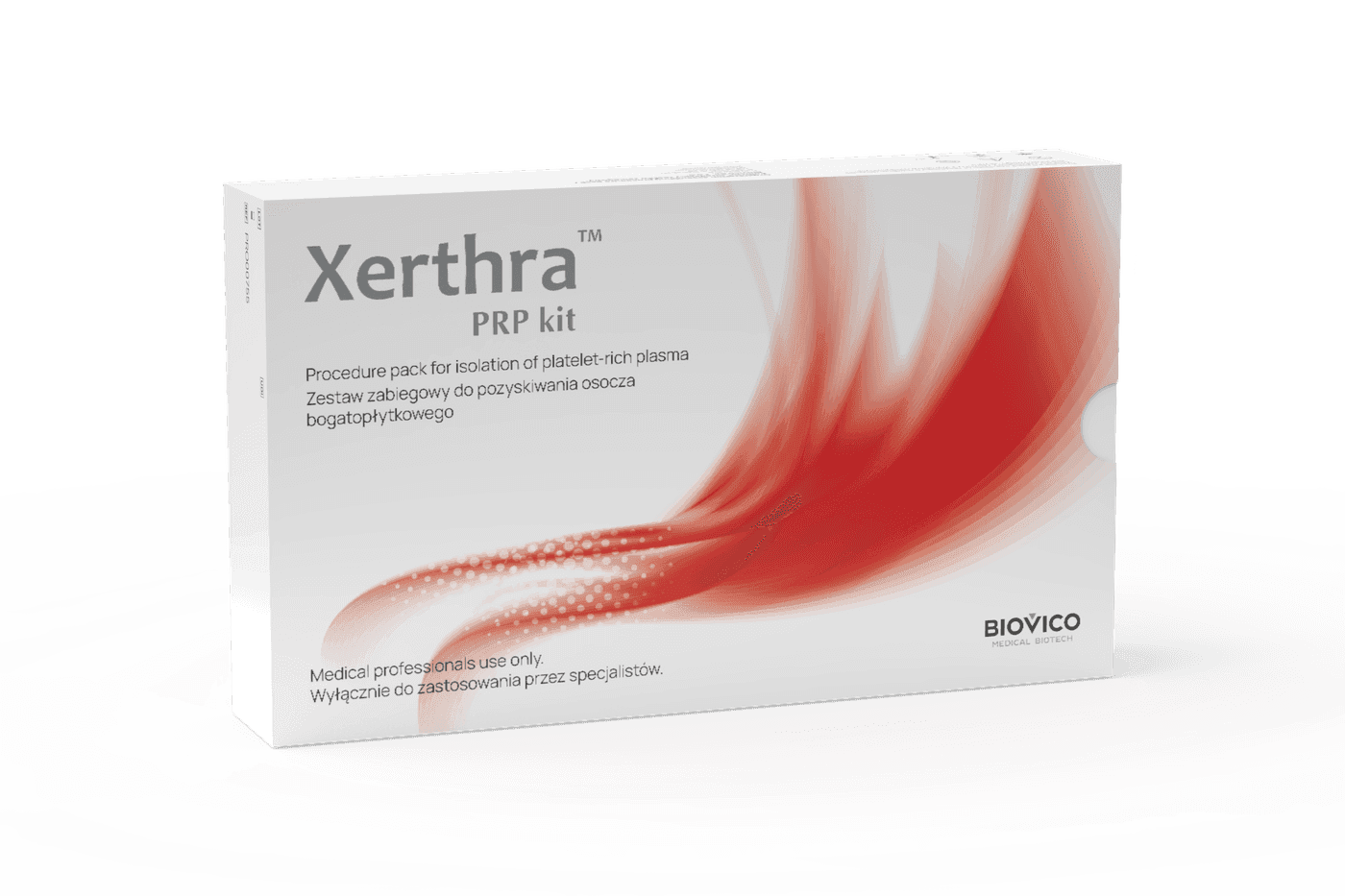
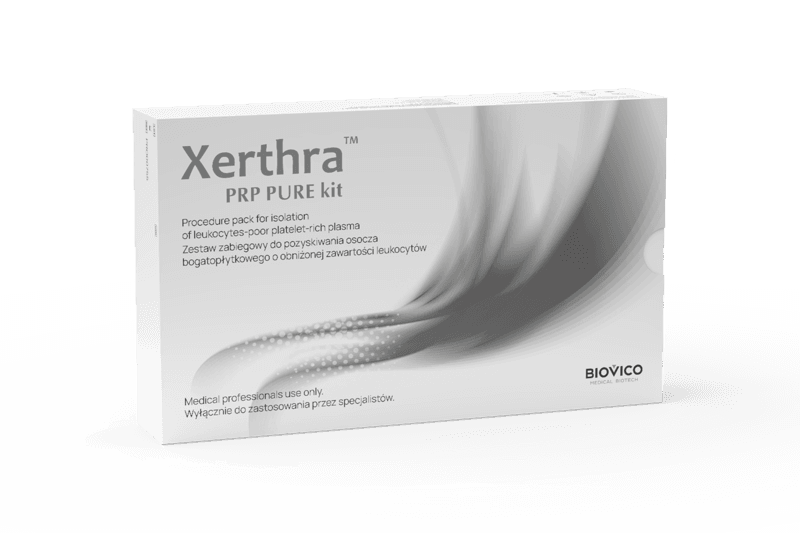
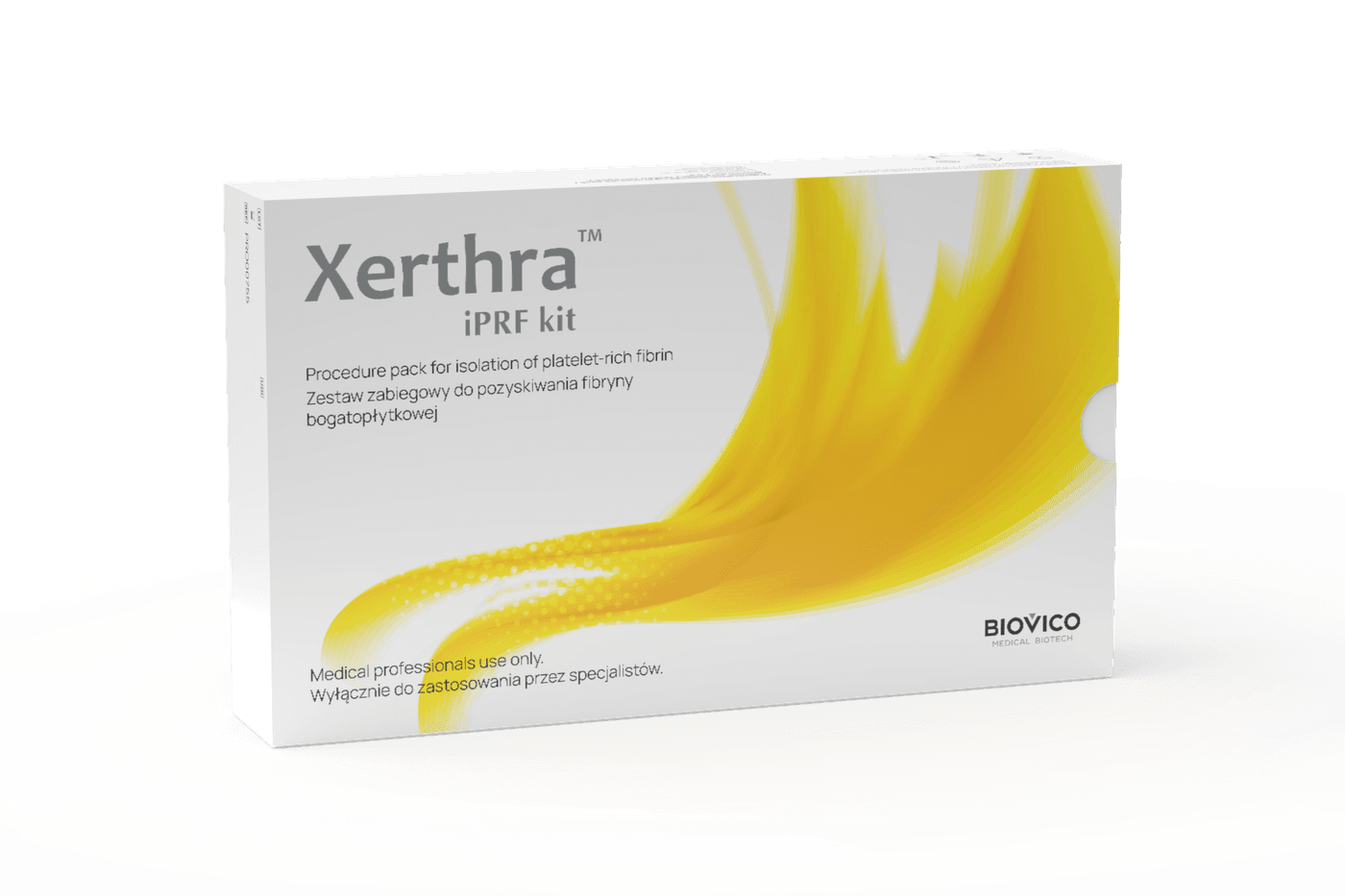
Xerthra PRP, developed by Biovico, is part of a line of medical devices with sanitary regulatory status in Brazil.
The Xerthra PRP device holds Anvisa number 82416099002, according to published regulatory documentation.
For physicians, knowing the product's regulatory status, its authorized indication, the characteristics of the system and its instructions for use is an essential part of evaluating the technology.
Because it is not enough to choose a kit capable of preparing PRP. It is necessary to understand how that preparation fits within the applicable technical and sanitary requirements.
The evolution of regenerative medicine demands responsibility
The regulation of PRP is a step forward for Brazilian medical practice, but it also reinforces the importance of well founded decisions.
Physicians must evaluate not only the biological properties of the material obtained, but also the safety of the process, the suitability of the devices used and the conditions under which the procedure is performed.
In regenerative medicine, innovation and regulatory responsibility must go hand in hand.
Rooter Medical believes that bringing technology to market also means offering qualified technical information to support informed medical choices.
Devices must be used in accordance with their authorized sanitary purpose and the manufacturer's current instructions.
References
- Federal Council of Medicine (CFM). Resolution CFM No. 2.464 of July 2, 2026. Regulates the use of platelet rich plasma as an adjunct medical procedure in the treatment of specific musculoskeletal conditions. Diário Oficial da União. July 15, 2026; Section 1:70. CFM
- Brazilian Health Regulatory Agency (Anvisa). Technical Note No. 29/2024/SEI/GSTCO/GGBIO/DIRE2/ANVISA. Production and therapeutic use of Platelet Rich Plasma (PRP) and its variants and fractions. Brasília: Anvisa; 2024. ANVISA
About the author
Rooter Medical
Brazilian distributor of surgical implants, biomaterials, OPME and regenerative medicine. World class technology and technical support for surgeons, hospitals and health insurers.