Regenerative Medicine
Regenerative medicine in sports: what can PRP and hyaluronic acid offer professional and amateur athletes?
You don't need to be a professional athlete to need sports medicine. Learn how new therapeutic approaches are expanding the options for caring for joints, tendons and injuries related to physical activity.
November 18, 2026

Sports medicine is no longer the exclusive territory of elite athletes.
Today, people who run before work, lift weights, play tennis on weekends or take part in cycling events also face a challenge well known to sports professionals: how to preserve musculoskeletal health, treat injuries and stay physically active over the years?
In this context, two technologies have been attracting growing interest in orthopedics, sports medicine and rehabilitation: platelet rich plasma (PRP) and hyaluronic acid (HA).
Although they have different mechanisms of action, both are studied as therapeutic options for certain musculoskeletal conditions, especially when integrated into an individualized treatment plan. But what does the science actually show about these approaches? And how can they contribute to the care of professional and amateur athletes?
Professional and amateur athletes have more in common than it seems
A professional soccer player and someone who runs five kilometers three times a week live very different realities. Yet both subject muscles, tendons and joints to repetitive mechanical loads.
Conditions frequently seen in sports practice include:
- Tendinopathies, such as those of the Achilles tendon, the patellar tendon and the shoulder tendons.
- Joint overload and persistent pain.
- Muscle injuries related to physical exertion.
- Degenerative changes, such as osteoarthritis, which can also affect physically active people.
The difference lies in each patient's context: training intensity, age, injury history, recovery capacity and functional goals. That is why treatment should not be defined only by the sport practiced, but by the diagnosis, the characteristics of the injury and individual needs.
PRP: a biological technology that expands musculoskeletal treatment options
Platelet rich plasma (PRP) is one of the most relevant advances in the development of biological therapies for musculoskeletal medicine. Obtained from the patient's own blood, PRP concentrates platelets that take an active part in the body's natural repair mechanisms.
These platelets release growth factors and other bioactive molecules involved in cell signaling, the modulation of inflammation, the formation of new blood vessels and tissue remodeling. It is precisely this biological activity that makes PRP so interesting for orthopedics, sports medicine and regenerative medicine.
More than an intervention aimed at controlling symptoms, PRP is being investigated for its potential to influence the biological environment of injured tissues and support natural repair processes.
What does the scientific evidence show?
Over the past decades, PRP has been investigated in numerous clinical studies, especially in the treatment of joint and tendon conditions.
In knee osteoarthritis, systematic reviews and meta-analyses of randomized clinical trials have identified benefits in pain reduction and improved function in certain groups of patients.
A meta-analysis published in 2025, which pooled 26 clinical trials and 1,650 knees, found clinical results favoring PRP over hyaluronic acid at six and twelve month assessments.
Another review, published in 2026, analyzed 56 randomized clinical trials involving more than five thousand participants and deepened the understanding of how the characteristics of PRP preparation can influence therapeutic results.
These findings reinforce not only the clinical interest in the technology but also the importance of understanding PRP composition, platelet concentration and the protocols used.
In sports medicine, interest extends to conditions such as lateral epicondylitis and certain tendon injuries, in which modulating the biological environment and repair processes are especially relevant.
A milestone for PRP in Brazil: the July 2026 regulation
An important step forward came in July 2026, when Brazil's Federal Council of Medicine (CFM) published CFM Resolution No. 2.464/2026, regulating PRP as an adjunct medical procedure for four musculoskeletal conditions:
- Knee osteoarthritis
- Lumbar disc disease
- Lateral epicondylitis of the elbow
- Meniscal repair
The new regulation represents a significant change in the institutional recognition of the technology in Brazil.
By setting criteria for indication, preparation, application, safety and follow up, the CFM recognized the possibility of clinical use of PRP in these specific conditions, moving past its previous classification as an experimental procedure.
For Brazilian sports medicine, this milestone helps broaden the discussion about the responsible use of biological therapies grounded in scientific evidence and carried out by qualified physicians.
Science, technology and individualized treatment
PRP's potential is directly related to its biological nature; however, not all preparations are the same. Platelet concentration, the presence of leukocytes, the processing method and the characteristics of the final product can vary between available systems.
That is why the evolution of preparation technologies and the standardization of protocols are fundamental to the development of this field.
It is important to distinguish two outcomes: clinical improvement, shown in different studies through pain and function measures, and structural tissue regeneration, which requires specific methods to be demonstrated.
The great value of PRP lies in expanding therapeutic options, using components of the body itself in a biologically grounded, individualized approach integrated with rehabilitation.
For professional and amateur athletes, this means one more care option, especially when the goal is to recover function, control symptoms and preserve the ability to move over time.
Hyaluronic acid: beyond joint lubrication
Hyaluronic acid is a molecule naturally present in the body, including in the synovial fluid of the joints and the extracellular matrix of different tissues.
In musculoskeletal medicine, its use is best known for intra-articular viscosupplementation, investigated and used in managing the symptoms of osteoarthritis.
Its presence in synovial fluid is related to viscoelastic properties that contribute to joint function; however, scientific interest in hyaluronic acid is not limited to the joints.
Specific formulations are also being studied in peritendinous applications, considering the characteristics of the environment surrounding the tendons and the possible effects on pain and function.
Here there is a fundamental distinction: a hyaluronic acid developed for intra-articular use should not automatically be considered equivalent to a formulation intended for another application.
Concentration, molecular weight, physicochemical characteristics, approved indication and administration technique must each be evaluated individually.
Likewise, results observed in one joint or tendon cannot be generalized to all musculoskeletal conditions.
PRP or hyaluronic acid: is one treatment better?
This may be one of the most interesting questions in contemporary sports medicine.
And the answer is: it depends on what we are treating.
PRP and hyaluronic acid have different compositions and therapeutic purposes.
While PRP is investigated for its interaction with biological processes mediated by blood components, hyaluronic acid has viscoelastic properties and interacts with the tissue environment.
In knee osteoarthritis, both approaches are the subject of clinical studies. Even so, guidelines differ on the size of the benefits and on which patients may benefit.
In tendinopathies, the situation is just as specific: location, duration of symptoms, severity and response to rehabilitation all influence the clinical decision.
That is why the choice should not start with the available technology, but with the diagnosis and the scientific evidence that applies to that patient.
The role of rehabilitation: no injection replaces well guided movement
There is one point that deserves emphasis in any discussion of regenerative medicine in sports.
Even when an injectable procedure is considered appropriate, it does not replace the need for a rehabilitation program.
In tendinopathies, for example, load management and progressive exercise remain central components of treatment.
Functional recovery involves tissue adaptation, strengthening, symptom control and a gradual return to activity.
In other words, reducing pain is not enough; it is necessary to recover the capacity to withstand the demands of movement. This perspective is especially important so that symptom improvement is not mistaken for automatic clearance to return to previous training intensity.
Sports medicine is also a longevity strategy
For professional athletes, functional recovery can mean the continuation of a career.
For amateur athletes, it can mean something just as important: continuing to run, ride, train or play the sport that is part of their quality of life.
It is in this meeting of science, technology and function that sports medicine grows in relevance. The discussion is no longer only about treating an injury; it also involves preserving mobility, managing chronic conditions and staying physically active throughout life.
Advances in biological therapies and injectable technologies bring new possibilities, but they also increase the responsibility of professionals and companies to communicate their benefits and limitations accurately.
Where does technological innovation come in?
Progress in musculoskeletal medicine depends not only on discovering new approaches but also on developing technologies with well defined characteristics, controlled manufacturing processes and consistent scientific documentation.
In this context, Biovico and Implai, European manufacturers represented in Brazil by Rooter Medical, develop solutions for orthopedics and other areas of health care.
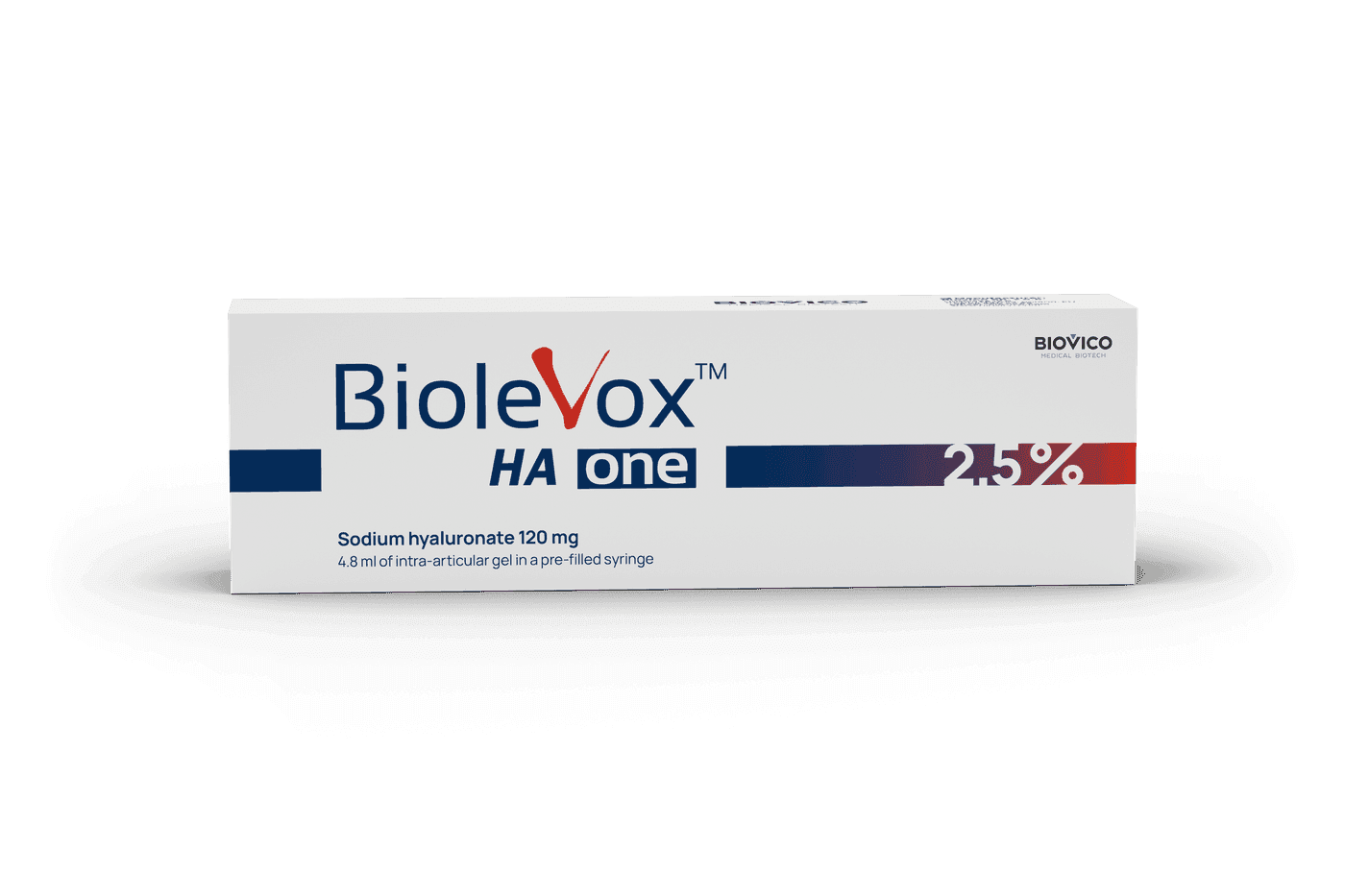
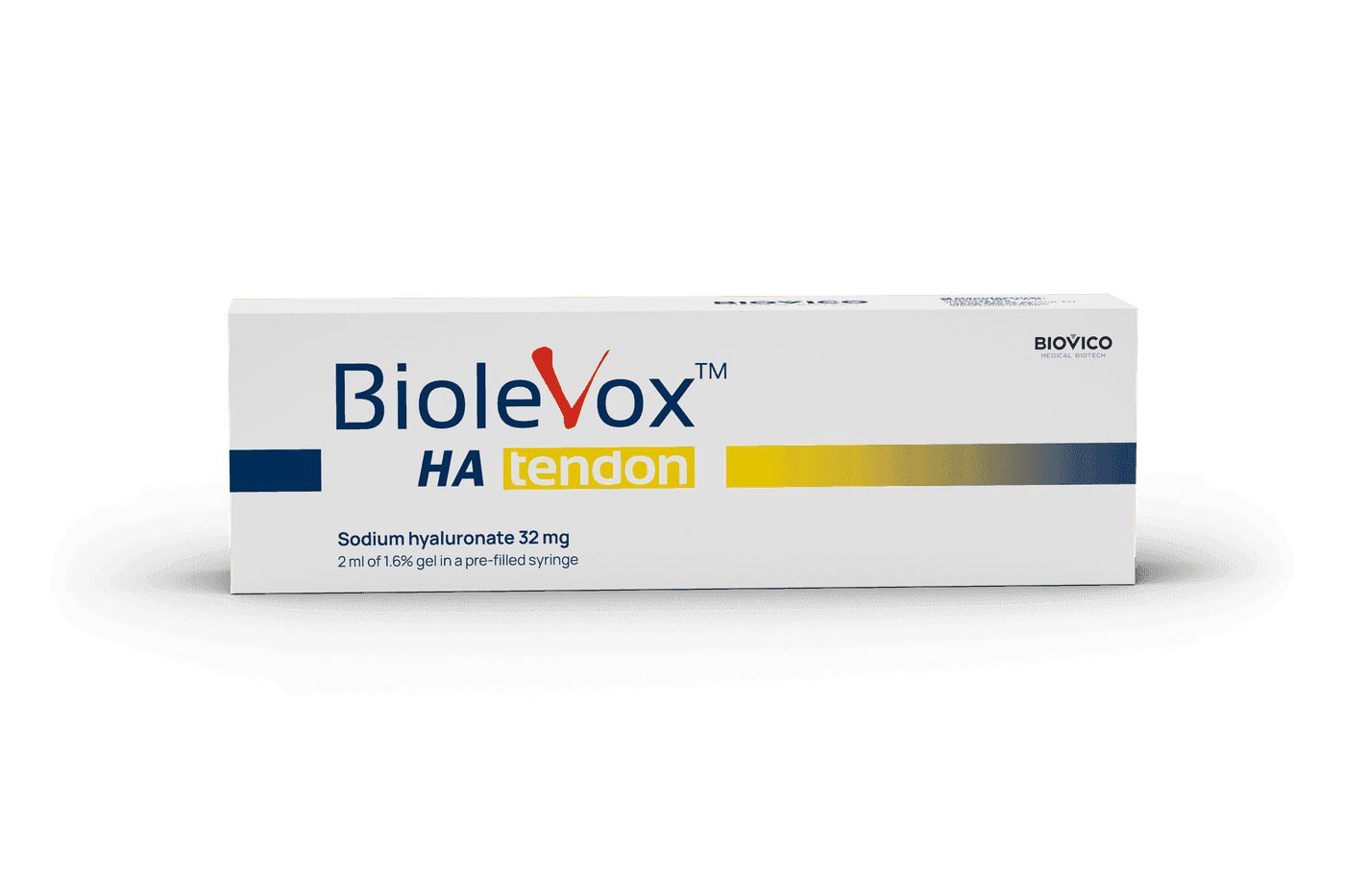
Their portfolio includes hyaluronic acid based technologies such as Biolevox™ HA ONE and Biolevox™ HA TENDON, as well as systems for PRP preparation.
Each technology has its own characteristics, which should be assessed according to its technical documentation, authorized indication for use and available evidence.
Our commitment is to help health professionals access not only the technologies but also the scientific information needed for responsible clinical decisions.
The future is not about choosing between technology and rehabilitation
Sports medicine advances when different fields of knowledge work together.
Accurate diagnosis, individualized indication, appropriate therapeutic resources and structured rehabilitation are all part of the same journey.
PRP and hyaluronic acid are relevant fields of research and clinical application, but their value does not lie in universal promises of regeneration or faster recovery. It lies in the possibility of expanding care options when there is an appropriate indication and professional follow up.
After all, the goal of sports medicine is not only to help someone get back to playing sports but also to help that person keep moving with health, safety and quality of life.
Scientific and educational content intended to provide health information. It does not replace an individualized medical evaluation. Medical devices must be used in accordance with their approved indications, instructions for use and the regulations that apply in Brazil.
References
- Federal Council of Medicine (CFM). Resolution CFM No. 2.464 of July 2, 2026. Regulates the use of platelet rich plasma as an adjunct medical procedure in the treatment of specific musculoskeletal conditions. Diário Oficial da União. July 15, 2026; Section 1:70. CFM
- Federal Council of Medicine (CFM). CFM regulates the use of platelet rich plasma for the treatment of specific musculoskeletal conditions. CFM Portal; July 15, 2026. CFM
- Brazilian Society of Orthopedics and Traumatology (SBOT). Publication of CFM resolution regulates the use of PRP and marks an advance for Brazilian orthopedics. SBOT; July 17, 2026. SBOT
- Bagheri K, Shekhar A, Kwok E, Dungy D, Stewart SL, Jamali AA. Platelet rich plasma compared to viscosupplementation in the treatment of knee osteoarthritis: a systematic review and meta-analysis of randomised controlled trials with 6 month and 12 month follow-up. J Exp Orthop. 2025;12(3):e70335. DOI
- Anitua E, Padilla S, Prado R, Tierno R, Alkhraisat MH. Influence of platelet-rich plasma composition on pain and functional performance in knee osteoarthritis: a systematic review and network meta-analysis. Knee Surg Relat Res. 2026;38:17. DOI
- Conrozier T, Raman R, Diraçoglu D, Montfort J, Bard H, Baron D, et al. EUROVISCO consensus guidelines for the use of hyaluronic acid viscosupplementation in knee osteoarthritis based on patient characteristics. Cartilage. 2024;16(4):438-452. DOI
- Monfort J, Henrotin Y, Chevalier X, Migliore A, Baron D, Jerosch J, et al. EUROVISCO good medical practice recommendations for the use of viscosupplementation with hyaluronic acid in the management of knee osteoarthritis. Cartilage. 2025;17(3):322-330. DOI
About the author
Rooter Medical
Brazilian distributor of surgical implants, biomaterials, OPME and regenerative medicine. World class technology and technical support for surgeons, hospitals and health insurers.